
How to Preserve and Modernize a Historic Newberg Home
Old houses are special because they feel like home as soon as you walk in. But they can also be drafty, noisy, and sometimes less safe or comfortable than they should be. When you fix up your historic home in Newberg, your goal should be to keep its unique charm while making it easier to live in every day. The National Park Service (NPS) Standards for Rehabilitation are here to help you find this balance, guiding you to enjoy your home now while preserving its character.
What Defines a Historic Home Here
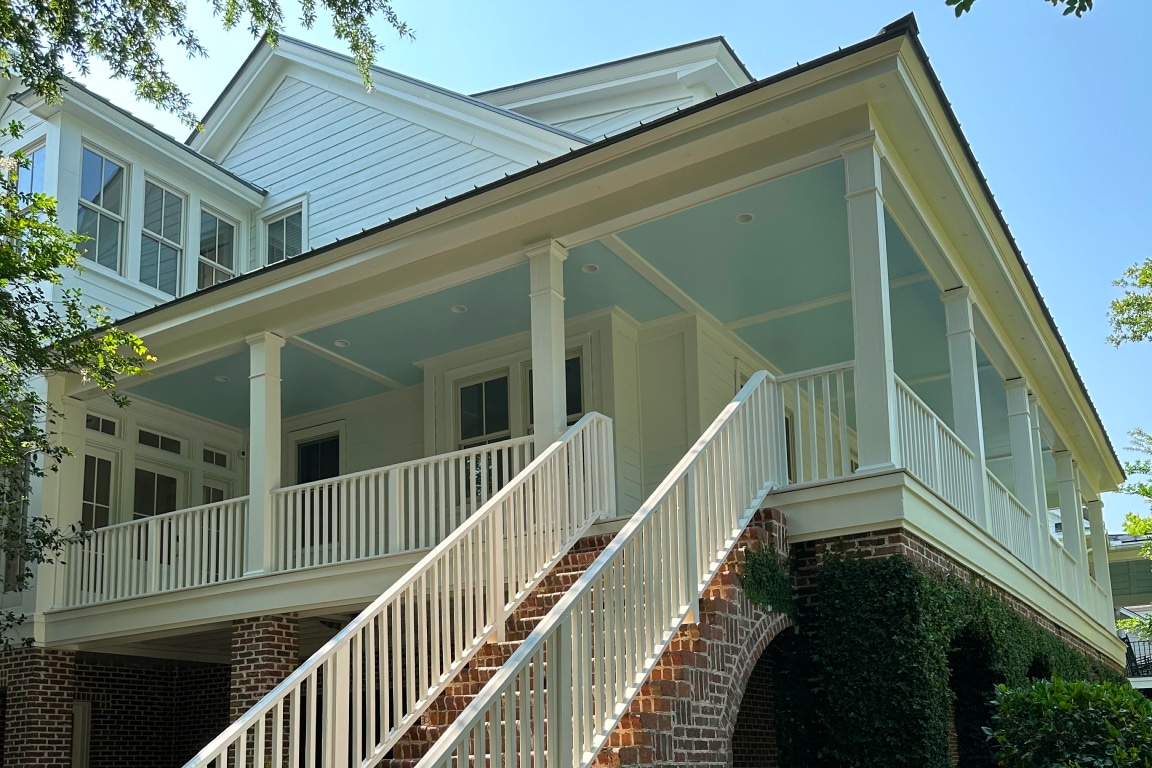
If you want to learn about your home’s age, start by looking at what you can see and feel. Check the siding shapes, window arrangements, porch details, and interior features such as trim, stairs, and built-ins. These character‑defining features are essential because they tell the story of your home.
How to Plan: Assess, Preserve, Upgrade
- Start with safety and water concerns first: structure, roofs, drainage, and electrical hazards.
- Decide what to keep as is, like the original woodwork, floors, doors, and windows. Then, think about what can be improved softly in the background, such as wiring, ventilation, and air sealing. This helps you make smart choices with less hassle.
- This “risk‑first” approach is a standard way to protect both the house and your budget.
How to Source Period‑Appropriate Materials
“If you can fix it, fix it.” If you can’t match the look and scale exactly, aim for materials that blend visually and can be undone later if needed. This “compatible and reversible” mindset helps new work sit comfortably alongside old work without pretending to be original.
How to Navigate Local Regulations and Permits

Follow the standard process used by preservation groups, including the Historic Preservation Commission in Newberg. If you’re making exterior changes to a house visible from the street, you’ll need to expect a bit more review. Prepare clear drawings and high-quality photos. Also, make notes with measurements. Your design should fit well with the house, but also look new and fresh. Following these steps can make it easier to get approval.
Why Modernization Protects Historic Value
Here’s a win-win: air sealing, targeted insulation, and the right-sized mechanical systems can make your house more comfortable. They also help reduce heating and cooling costs. Best of all, these upgrades don’t require tearing out any historic features. If carefully planned, they can preserve your home’s landmark materials while withstanding Oregon’s extreme weather.
Where to Preserve, Where to Upgrade, Where to Hide Systems
- Preserve: The front façades, original windows, and casings are important features. There are also staircases, built-ins, and unique interior elements. Together, these details create a beautiful and interesting space.
- Upgrade: Electrical panels and circuits, plumbing, bathroom and kitchen ventilation, and thermal performance are key aspects of building systems. These elements are often in less visible areas but are crucial for functionality and efficiency.
- Hide: Run new ducts or lines through closets, soffits by cabinets, and floor or ceiling spaces. Compact systems, like mini-splits or small-duct high-velocity options, help keep changes subtle.
Window Strategies Without Losing Historic Character

Windows sometimes need a second chance. Re-glazing, weatherstripping, or installing storm windows (inside or out) reduces drafts and noise while preserving the original sash and glass. If replacement is necessary, do it on less visible sides. Match grid patterns and divider thickness to maintain a consistent, authentic look.
Insulation and Moisture Management
Start by sealing any leaks first. Next, add insulation, usually in the attic and floors, before the walls. This helps prevent moisture from getting trapped where it shouldn’t be. Ensure proper attic ventilation, cap open chases, and manage water with gutters and grading. Following this order is a standard best practice for older homes in Newberg.
Local Planning Considerations (Downtown/City Center)
In the Downtown or City Center area, plan deliveries and noisy work carefully. Think about neighbors so access remains smooth. Keep timelines predictable. This is about good logistics, not a rule.
At the corner of S Blaine St and E 5th St, plan visible façade work. Make sure the proportions and profiles look right from both sides. This is a preservation best practice, not a local law.
Near a busy area, choose durable and quiet solutions. These protect the historic fabric of the area and support daily use. This is guidance for modernization, not a strict rule.
Kitchens and Baths: Modern Function, Classic Look
Want a new kitchen or bathroom remodel in Yamhill County that still feels like home? Use cabinet door styles and trim profiles that nod to the period. Vent bathrooms and kitchens directly outside with smooth duct runs and quiet fans to move moisture out efficiently—simple moves that protect finishes over time.
Flooring, Trim, and Finishes

Refinishing original wood floors keeps the house’s soul intact. When repairs are needed, weave in reclaimed boards and match trim profiles so transitions look natural. Low‑sheen paints and penetrating finishes help old wood and plaster keep their depth and texture—simple choices that read “authentic.”
Finding a Contractor for Historic Updates
Most homeowners trust experienced contractors because their work combines building science with careful preservation of properties. Look for teams that prefer fixing things before replacing them. They should be able to show you examples of window repairs, plaster conservation, and trim replication. When talking to a licensed general contractor in Newberg, ask for a clear scope of work. Make sure it separates conservation tasks from replacements. This way, the project timelines and budgets will match your goals.
Budgeting for Preservation and ROI
Start early to save money later. Open a few test areas to check your drains and look for hazardous materials. This will help make sure your cost estimates are accurate. Air sealing and adding attic insulation are quick ways to improve comfort. When done correctly, they also make your house quieter and feel more solid every day.
Frequently Asked Questions
Fix the sash, seal the gaps, and add storms. Most of the comfort comes from stopping air leaks while keeping the look you love.
Start with air sealing and attic insulation, then confirm ventilation and moisture control so the house can “breathe” properly.
Use hidden paths (closets, soffits, joist bays) and consider compact systems that don’t need big ducts. The idea is simple: upgrade performance without changing the look.
Match the shape and size first (profiles and proportions), then the color and sheen. If it can be undone later, even better—that’s kinder to the house’s history.
Document what’s historic, propose changes that are compatible but clearly new, and submit clear drawings. That’s the usual rhythm commissions look for.
Every historic home tells a story—and updating it with care keeps that story alive.
Call on trusted local craftsmanship. When you’re ready to balance preservation with modern comfort, contact All Building Construction for guidance and execution rooted in integrity and skilled craftsmanship.