

Sustainable Building Materials for Newberg Oregon Homes
Looking to cut costs and promote sustainability in your home? Hiring a building contractor in Newberg can boost energy efficiency by offering eco-friendly upgrades, like energy-efficient windows made from sustainable materials. These improvements keep heat in during winter, cool interiors in summer, and cut energy use—especially in marine climates.
The goal is simple: choose materials that work well during wet winters and mild summers. Plan carefully from the start, considering access, order of tasks, and site conditions.
How do sustainable materials improve home performance?
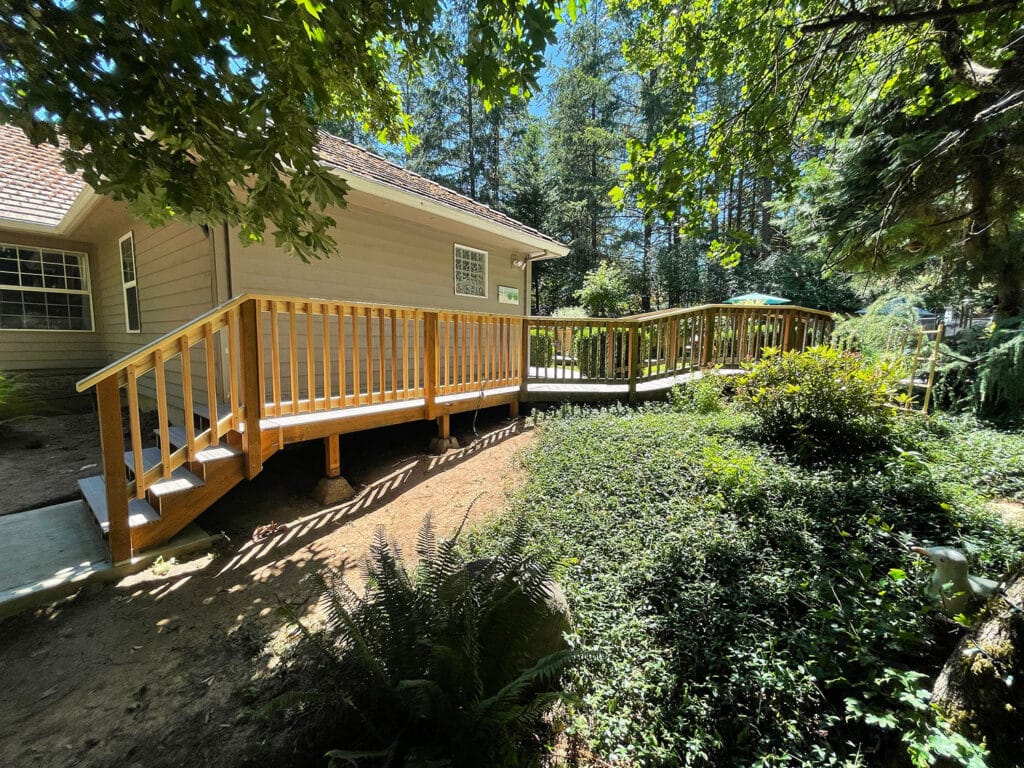
- Best practice: Keeping water out is step one. In rainy climates, like the Pacific Northwest, it’s important to keep walls and roofs in good shape. Features such as flashing, vents, and properly sealed gaps allow air to flow and moisture to escape, protecting your home from water damage.
- Fact: Triple-pane and thin-triple windows help keep heat inside your home, making interiors more comfortable while reducing energy use. Lab tests from Pacific Northwest National Laboratory (PNNL) show that triple-pane windows have lower U-factors than double-pane windows and use sustainable materials that boost energy efficiency and lessen environmental impact.
- Best practice backed by rule: Using low‑volatile organic compound (low‑VOC) finishes reduces fumes; Oregon’s spray‑finishing rules emphasize ventilation during application, which supports healthier indoor air quality (IAQ).
What are the best sustainable materials for Newberg’s climate?
- Forest Stewardship Council (FSC)‑certified lumber: FSC ensures forests are managed responsibly. They also track products through the supply chain. You can use FSC certification to demonstrate the origin of your materials. For performance claims, rely on standard structural grading. This helps ensure clear and honest communication.
- Low‑VOC finishes: Water-borne coatings have low VOC levels, which help reduce odors and emissions. When you apply these finishes, it’s a good idea to plan for proper ventilation. This protects both workers and people inside the building. Oregon’s spray-finishing rules also require this kind of safety measure.
- Recycled metal roofing: Metal lasts a long time and can be reused many times. It is not porous, so it does not absorb moisture like some other materials. If you install it with a good slope and proper drainage, it can help prevent moss from growing in damp places.
- Triple‑pane windows: PNNL found that thin triple-pane designs perform better than many double-pane units. These designs can lower U-factors, which helps with insulation. They also resist condensation more effectively. This is especially important in cool, wet conditions..
- Reclaimed materials: Reclaimed wood is a smart choice. It helps you reduce embodied carbon. Before you install it, check the moisture content. Also, look for any past treatments. These simple steps can prevent warping and odors. They ensure your room looks and smells great.
Why source locally, and what are the options?

Buying sustainable building materials locally in Yamhill County and Newberg ensures better quality checks and reduces transportation impact. Using eco-friendly materials for homes helps projects stay on schedule while supporting regional suppliers.
In marine climates, it’s better to use assemblies that shed water and can breathe. These include drainage planes, rain screens, and solid flashing. They are more forgiving over time. For windows, PNNL’s thin-triple results support this. These choices improve comfort and performance.
Integrating upgrades in Newberg neighborhoods
Following a basic order of operations makes construction easier. First, protect the roof. Then, manage water on the walls with a ventilated rain screen and flashing. Next, install high-performance windows that resist condensation. PNNL’s tests explain why choosing the right windows matters.
Inside, use low-VOC finishes and plan for good ventilation, as Oregon rules suggest. Also, pick FSC-certified lumber for responsible sourcing. For strength, rely on standard grading.
Near Gladys Park, bundling exterior tasks saves time. It reduces trips on scaffolding and keeps work dry during storms. This is mainly about scheduling and access, not neighborhood rules.
Navigating certifications and incentives

- Documentation: FSC chain-of-custody records prove responsible lumber sourcing. They complement structural standards, not replace them.
- Window metrics: Focus on published U-factors and condensation resistance scores. These metrics are highlighted in PNNL’s evaluations of thin-triple windows. They are closely related to energy efficiency and comfort in damp conditions.
- Safety and IAQ: Oregon’s spray-finishing rules show why proper ventilation is important. Good ventilation keeps the air safe and clean. This is true even when using low-VOC products.
Neighborhood details that guide choices
- Around Mistletoe Dr and Burl St, choose assemblies that quickly move water away and allow drying—slope, drainage, and ventilation paths are small details that make a big difference in rainy seasons.
- In Springbrook/Collina, metal roofs can cut down moss-related maintenance. This works best when slopes, drainage, and exposure are good. Metal roofs are smooth and non-porous, which also helps prevent moss.
- For renovating historic homes in Newberg, prioritize reversible methods and minimally invasive detailing—like rain screens that preserve original siding profiles and window upgrades that respect existing sightlines—so performance improves without erasing character.
- For indoor work, use low-VOC products and plan for ventilation. This keeps the air clean during and after finishing. It also meets Oregon’s safety standards.
Local expertise and service integration

Why involve an expert first? Small gaps in the building envelope can cause problems. These gaps often occur where windows meet flashing or where a rain screen needs airflow. Fixing these details is key to improving energy efficiency and comfort. PNNL’s tests show that performance depends greatly on the products used and how they are installed.
For homeowners, contractors usually handle these details. They also plan work around the weather. This is especially helpful in Yamhill County’s rainy season and in neighborhoods like Springbrook and Collina, where access and scheduling can be tricky.
Frequently Asked Questions
Yes. Triple‑lab tests show these windows have lower U‑factors and resist condensation better than many double‑pane units. This means they are more comfortable and can save energy, especially in damp climates.
Metal roofing is non-porous and sheds water. If the roof has a good slope and proper drainage, it’s less likely to grow moss. However, shade and exposure also affect moss growth.
They produce fewer fumes. When used with ventilation, they follow Oregon’s safety rules for spray finishing. This helps keep people safe at home.
Use Forest Stewardship Council (FSC) chain-of-custody documents. They verify responsible forestry and tracking. However, they are separate from structural grading rules.
Yes—when moisture and past treatments are checked first. Those quick checks help prevent warping and unexpected odors after installation.
Transform Your Home Today! Schedule Your Free Consultation Now!
Looking for a friendly expert to handle your home projects? Contact All Building Construction! We offer tailored plans that perfectly fit your Newberg home, neighborhood, and regional climate—whether you need window and siding services, cabinetry, finish work, or exterior details. Trust our dedicated team for a cohesive, durable, and stunning result. Visit us at 303 NE 3rd St., McMinnville, OR 97128, or call (503) 550‑5112.