
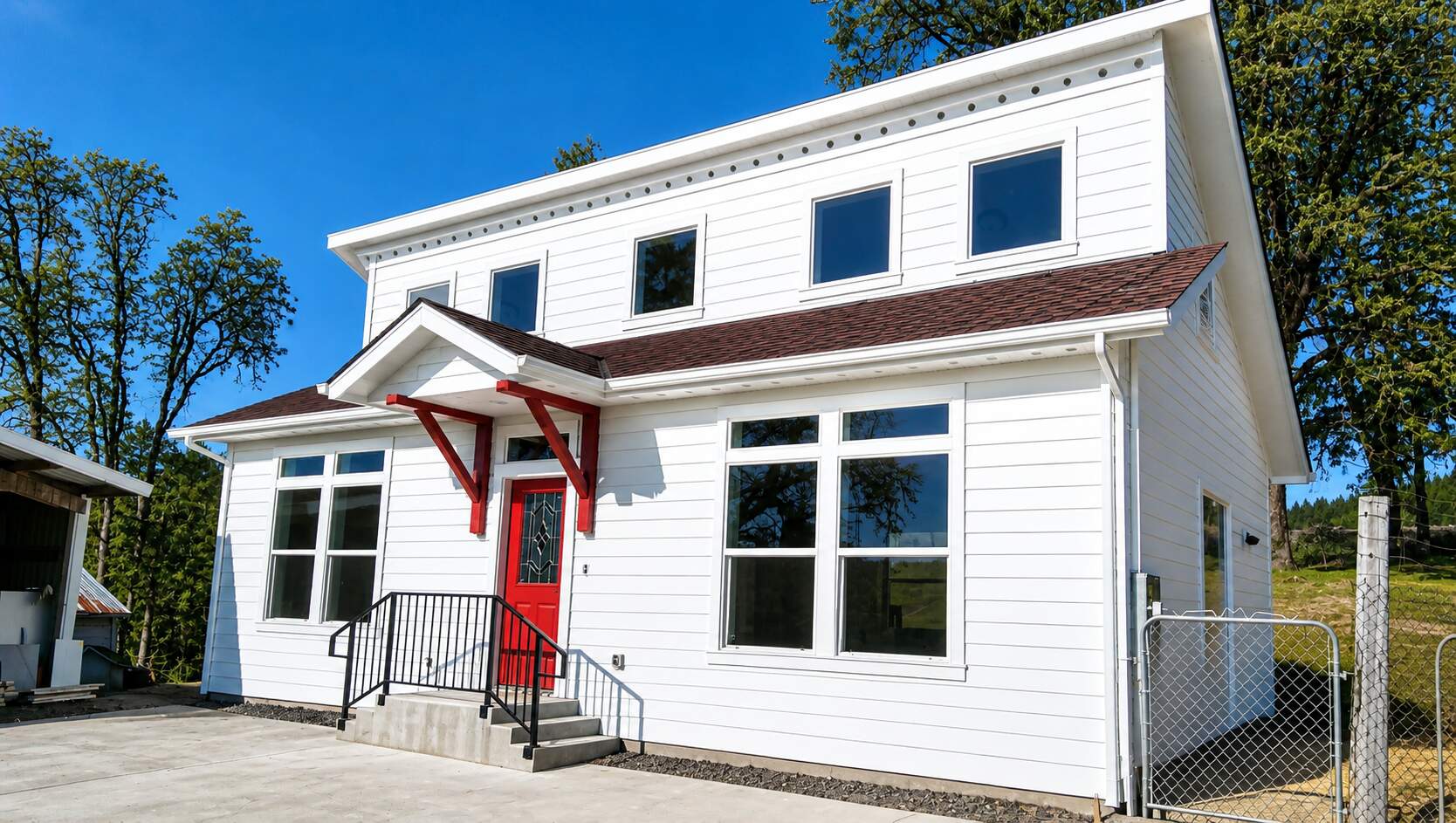
Oregon Climate Outdoor Living Spaces for Newberg Homes
Season-proof outdoor spaces in Newberg start with planning for both sunshine and long wet seasons. Summers invite open-air dining; fall through spring are cool and damp, so drainage and material choices matter from day one. Add dependable cover, pick moisture-tough finishes, and guide water away from patios and paths. With vineyard views and a backdrop of the Chehalem Mountains, the goal is a space that works year-round and still feels like home.
Why Climate-Ready Design Matters
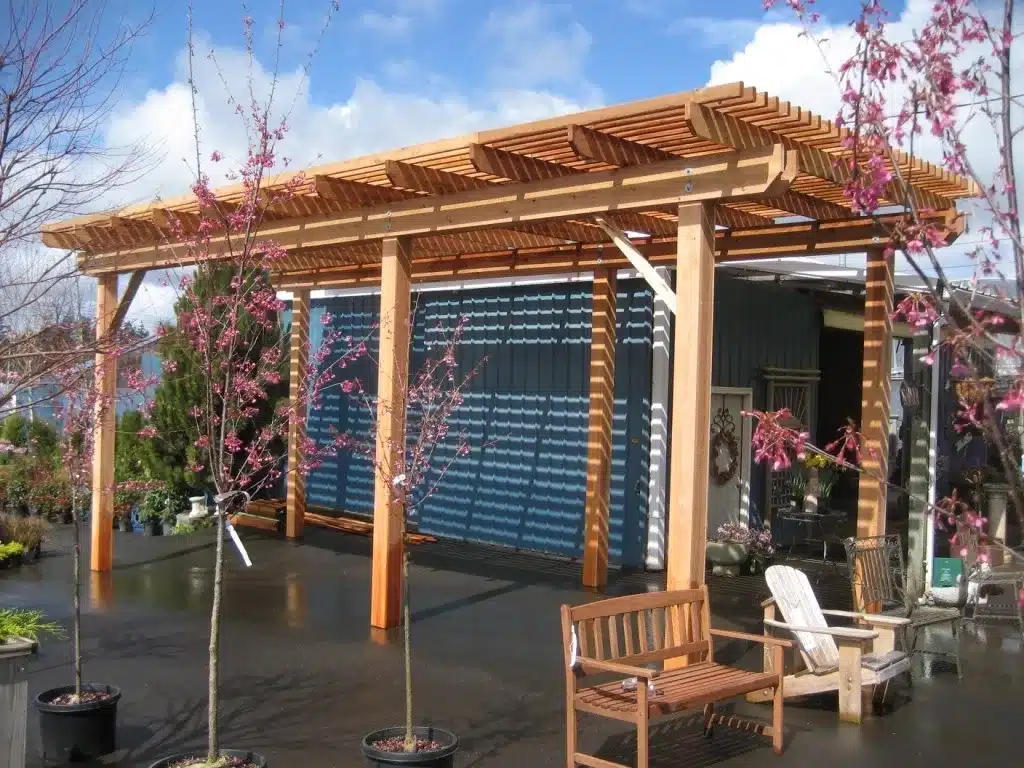
- The City of Newberg’s Development Code governs outdoor features, siting, setbacks, and landscaping. We’ll confirm what applies to your parcel before design.
- Public Works and stormwater guidance encourage early planning for grading and runoff to prevent patios and paths from puddling or eroding later.
- Oregon building codes require moisture-resistant assemblies and proper exterior connections to help slow rot and corrosion in damp climates.
Year-Round Comfort You’ll Actually Use
Covered structures, exterior heating, and new lighting can require city permits or review depending on size, location, and utilities. We’ll verify what applies to your site before you commit. A practical setup: a fixed roof for steady cover, roll-down wind/rain screens, and infrared or radiant heat for cooler evenings. Use task lighting where you cook or read, and soft ambient light elsewhere.
Which Materials Handle Moisture Best?
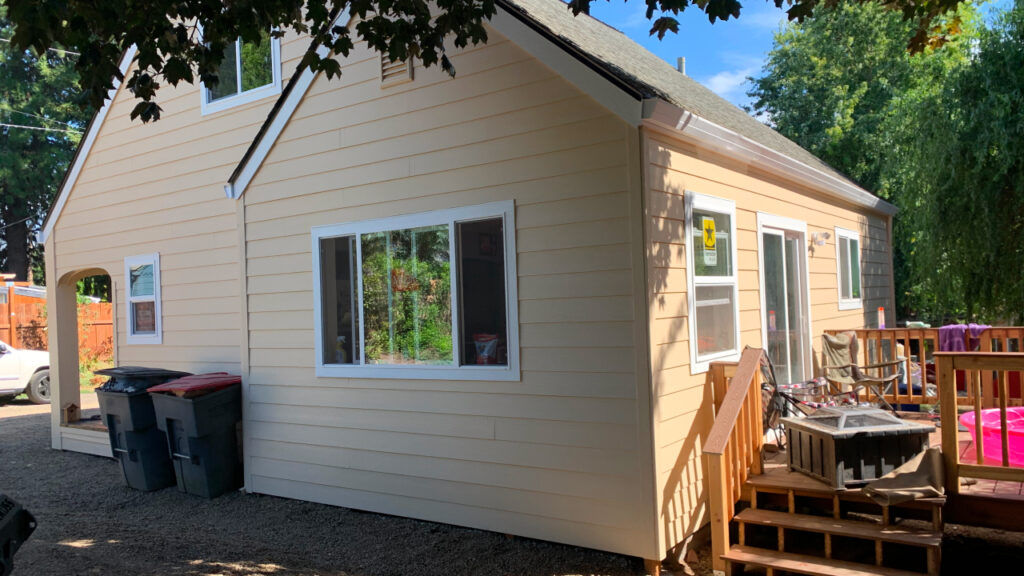
Materials that tend to hold up here include:
- Composite decking with a protective cap,
- Porcelain pavers that don’t swell,
- Corrosion-resistant metals and stainless or coated fasteners, matched to the materials
- Install components according to manufacturer instructions to ensure compatibility and avoid corrosion.
Keep it Dry: Drainage and Slope Tips for Lots.
Pitch hard surfaces 1-2% away from the house toward a drain or infiltration area. On gentle lots in College Park, even small grade changes can shift water during storms.
Consider shallow swales, subtle path slopes, or a point drain to keep footpaths dry. Using permeable pavers over an open-graded aggregate base lets rain soak through, reducing surface puddles and allowing the soil below to absorb water efficiently.
What Makes Indoor-Outdoor Flow Feel Seamless?
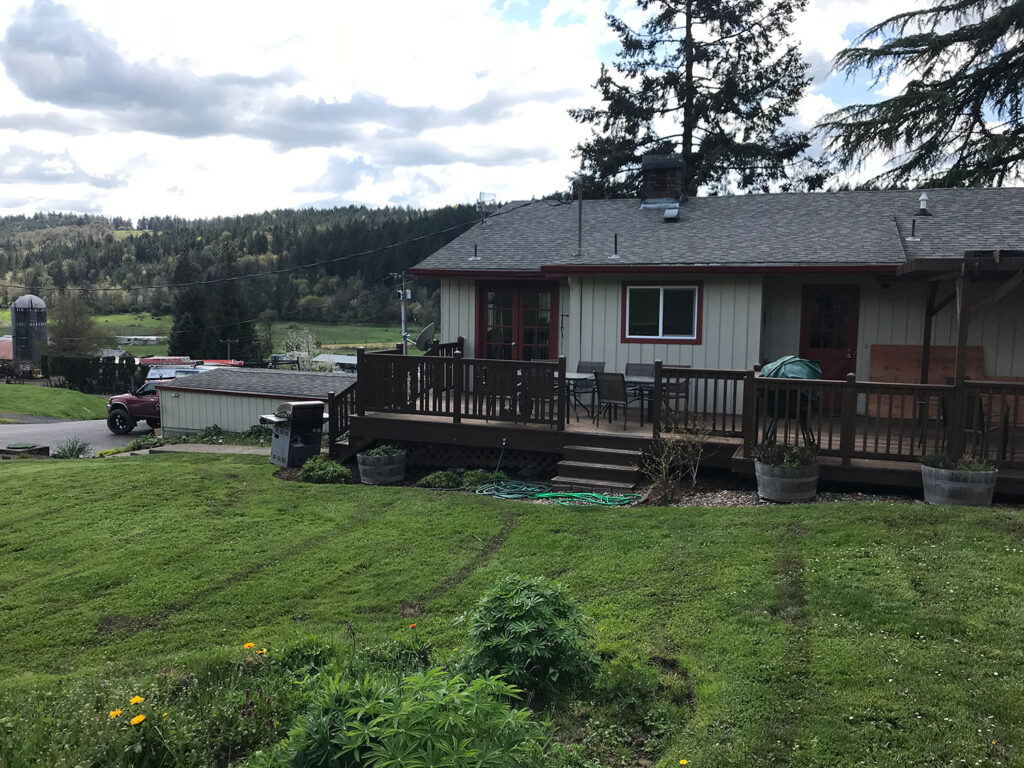
Install doors, pans, flashing, and cladding in sequence so water constantly sheds outboard. Make thresholds as even as possible and use outdoor surfaces with good grip so wet shoes won’t slip. Use layered lighting: soft ambient light throughout the space, brighter light where you work, and path lights so you can always see where you’re going.
Plants that work with hardscape in the Willamette Valley
Native and adapted plants thrive here because they match our soils and weather—place moisture-loving species in swales or lower beds. Use raised planters near hard edges to help roots breathe and reduce splash-back on walls and decks. Evergreens near entries or seating zones can soften hard edges and add year-round structure without blocking views or access.
Simple Seasonal Wins: Maintenance that Matters
- Keep gutters, drains, and stormwater paths clear. This helps water flow out easily and prevents problems.
- After winter, refill the sand in paver joints. Check screws and anchors for rust. Use manufacturer-approved cleaners to keep the grip and finish in good condition.
- Small touches make a big difference. On quieter streets, add a front patio or a bench nook. These invite neighbors to relax and chat.
- Keep sidewalks and exits open for safety.
- If your lot allows, point your seating toward the vineyard views or Mount Chehalem. This makes your outdoor space more enjoyable. A light screen or hedge can cut the wind without blocking sunlight or views.
Frequently Asked Questions
Start with a fixed roof, add roll-down wind and rain screens, choose grippy deck boards, and use infrared or radiant heaters with task lighting for the spots you use most. Don’t forget to confirm clearance from property lines and overhead utilities before finalizing your cover.
Tilt the surface 1-2 % away from the house toward a drain, or use permeable pavers over an open-graded base if the soil and slope allow—this aligns with local stormwater guidance.
Porcelain pavers and moisture-tolerant deck boards, paired with stainless or coated fasteners and proper ventilation (especially under deck systems), can reduce maintenance. Follow the maker’s instructions and basic safety rules.
Keep thresholds low and even, add durable exterior mats, use slip-resistant surfaces, and light the doorway and path so you can see in wet weather.
Many covered decks, patio roofs, and accessory structures require permits and may trigger stormwater review. We’ll verify setbacks, coverage, and utilities for your specific lot before we design.
Keep the rain—and the good days—going with your space!
Enjoy your outdoor space rain or shine—schedule your climate-ready deck or patio consultation with All Building Construction today! Call (503) 550-5112 or request a free estimate from our McMinnville team.